
Hertfordshire's cathedral city

Leak detection in St Albans for older and empty homes

Much of St Albans is older housing, altered over the years and sometimes empty during a sale. Our first job is to find the leaking pipe; after that we trace it from the surface, so boards and tiles stay down while we search.

Keyholders can let us in

Victorian floors searched from above

Report written for your insurer

Get a quote

Lines open 8am to 8pm, every day.

St Albans is a cathedral city that grew fast twice: Victorian and Edwardian streets around the centre, then suburbs after the war as families moved out of London. Leak detection in St Albans has to suit both, because each era hides its pipes somewhere different.

Older streets tend to have the meter out in the pavement, with the supply pipe crossing under suspended timber floors to a kitchen at the back. In the suburbs, pipes sit in concrete floors, and many kitchens have been extended over the old route. Water leak detection in St Albans starts with which house you have.

Some St Albans houses stand empty for weeks during a sale or while an estate is settled, with the owner living elsewhere. Our engineer Charlie has worked across the area for over 15 years, and in an empty house the meter gives the plainest answer: if it moves, water is escaping.

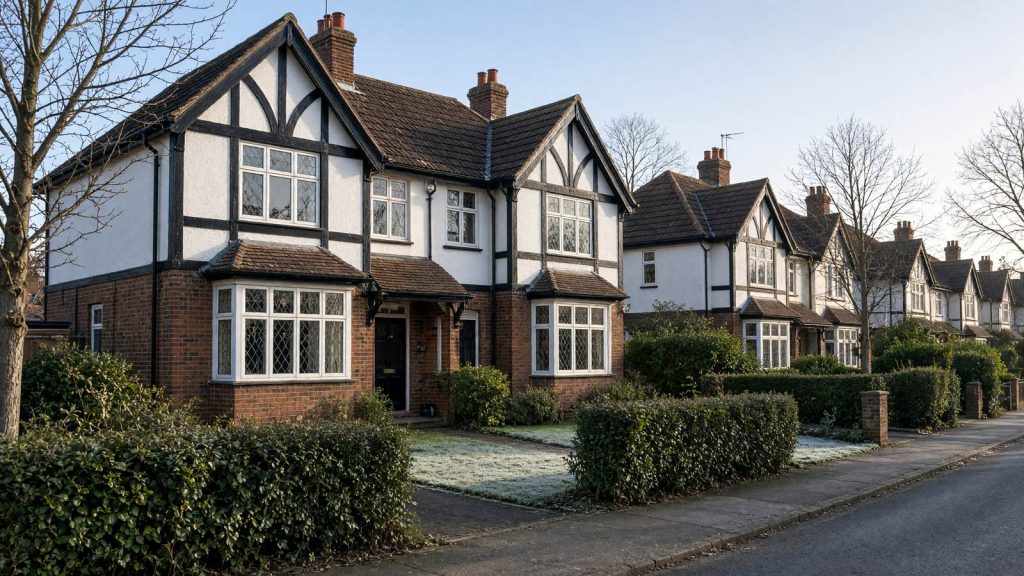
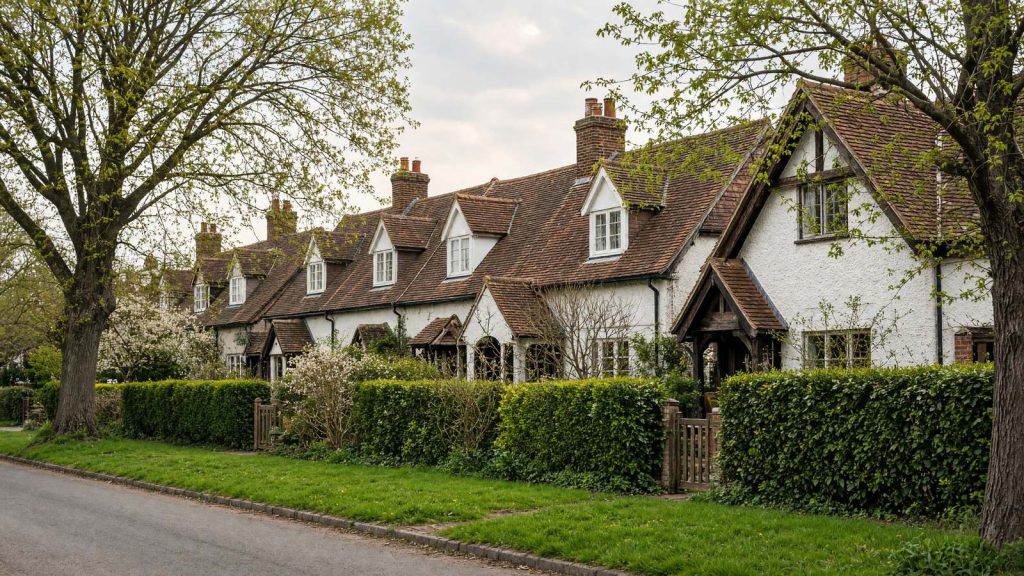
1930s mock Tudor semi-detached houses with hedged front gardens on a frosty morning, typical of a Hertfordshire commuter town White rendered Arts and Crafts cottages behind hedges and wide grass verges, typical of a Hertfordshire garden city

Typical leaks we find in St Albans

Meter moving in an empty Victorian terrace

The property

A Victorian terrace near the centre, empty while it was sold. The meter is in the pavement and the supply runs under the hall floorboards to the back kitchen.

The problem

The family handling the sale saw the meter reading climb between visits. Nothing was wet, nobody had stayed there, and the front garden looked bone dry.

How we found it

Shutting the stop tap by the kitchen sink made no difference to the meter: the water was escaping upstream of it. Listening on the hall boards found it loudest by the stairs, and tracer gas rose there.

The outcome

One board was marked and photographed. A relative let us in, payment was taken beforehand, and the family could pass the report to their solicitor.
Hot water pipe under a kitchen extension

The property

An interwar semi in the suburbs with a large kitchen extension, a combination boiler, and the hot pipe to the sink laid in the extension's concrete floor.

The problem

Tiles by the island felt warm with the heating off, and the meter crept round overnight. The owners' insurer wanted a written report before any floor came up.

How we found it

The meter fell still once the boiler's cold feed was closed, so the hot side was losing water. Thermal imaging, with the sink's hot tap open, found warmth fanning out from the pipe; tracer gas agreed.

The outcome

We marked the tile above the leak and photographed it. After payment, the owners had the report for their claim, and the repair was priced separately.

From first reading to marked spot

1

Start with the meter and gauges

Three readings come first: the meter with nothing running, the pressure on the boiler gauge, and moisture levels wherever there is damp. Together they show which pipes deserve a search.

2

Shut off one section at a time

Closing the stop tap, the boiler's cold feed or a single branch shows which length of pipe is losing water. In an altered older house, this step stops us chasing the wrong run.

3

Second method, mark and photograph

The leak is found by one method and must then be found again, in the same place, by another. That agreement earns a mark on the floor and a photograph for your report.

Who rings us from St Albans

Executors and owners of empty houses

With nobody using water, any movement on the meter means a leak. Let us know at booking whose keys get us in and whose card pays. A payer living away may need to pay up front, before we fix a date.

Owners of Victorian and Edwardian houses

Boards, tiled halls and old plaster are worth keeping. We search from the surface, over timber or solid floors, and opening up for the repair starts at the marked spot.

Households claiming on their insurance

If your policy includes trace and access, expect the insurer to ask how the leak was found. Our written report sets that out once the visit has been paid for.

Methods that suit St Albans houses

Thermal imaging

Hot water escaping into a concrete floor warms the surface around it. With the hot tap or heating running, the camera shows that warmth spreading away from the pipe's line.

Moisture meters

Pressed against plaster, timber or screed, a moisture meter gives a reading for each spot, so we can draw the outline of the damp and find its wettest point. That point usually sits nearest the leaking pipe.

Pressure testing

We shut a length of pipe off from the rest and pump it up to pressure. A gauge that drops proves that length is leaking, so we know which run to trace before a board or tile moves.

Affinity Water and a meter in an empty house

Affinity Water supplies St Albans. Its pipes run to your meter or boundary, and the pipe onward to the house is usually the owner's, however long the front path. In an empty house, note the reading, leave every tap off and look again a day later. If the number has gone up, ring us with both readings.

The evidence a claims handler expects

On a claim for trace and access in St Albans, the claims handler is likely to ask where the leak is, which tests found it and whether a second test agreed. Our report gives the location, methods, readings and photographs, and reaches you after the visit is paid for. Whether the claim succeeds is your insurer's decision.

Around St Albans

Our St Albans visits extend to Harpenden and Redbourn northwards, Hatfield eastwards, and London Colney and Radlett to the south. Abbots Langley, between the city and Watford, is covered too.

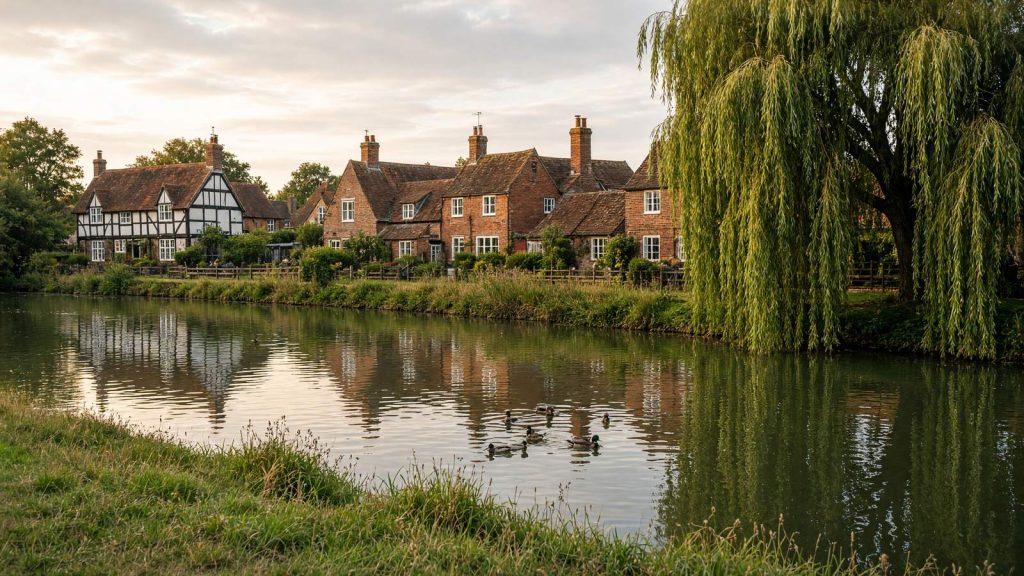
Timber-framed and brick cottages beside a village pond with a willow tree, typical of a Hertfordshire village

Common questions in St Albans

Usually, yes. Once the leak is confirmed, we can normally fix the pipework too, on a separate quote. A repair price agreed beforehand applies only when the work happens during the detection visit itself. Repairs are guaranteed for 3 months on the pipes and fittings we put in, not the whole system.

An empty house is often easier to test, because nobody is using water. Whoever holds the keys needs to open up and show us round: meter, stop tap, boiler. Mention at booking that you will be away; if you are paying but not attending, we may take payment first.

Yes, in extensions on older houses and in newer homes alike. Each loop has its own valves at the manifold, so we close them one by one to see which cannot hold pressure, then follow it with thermal imaging on a warm floor and confirm with tracer gas.

Not to search. Listening on the boards, tracer gas rising through the gaps and readings along the walls all work from above. Once two methods agree, the board over the marked spot is the one to lift first for the repair.

Visits are usually booked within 24 to 48 hours, and lines are open 8am to 8pm, every day. If you know roughly when the house was extended or replumbed, mention it, because it tells us where newer pipes are likely to run.

Meter moving in a St Albans house?

Call 07700 102 008 with your meter readings, and say whether anyone lives there at the moment.