

St Ives flats, shops and homes

Leak detection in St Ives for flats and shops

Water through a St Ives shop ceiling, or into the flat below, usually starts upstairs. We trace it from above, testing each fitting in turn.

Leaks between floors traced from above

Tiles kept on while testing

Report for landlords and agents

Get a quote

Lines open 8am to 8pm, every day.

St Ives is a market town on the Great Ouse, and its centre is lined with shops, cafes and offices, often with flats above. Pipes for those upper floors pass over the business below, so when one leaks, two sets of people have a problem at once.

Beyond the centre are estates of family houses and newer homes, some with underfloor heating. Water leak detection in St Ives covers all of them. Town centre jobs take the most planning: who opens the flat upstairs, who is paying, and who receives the written report.

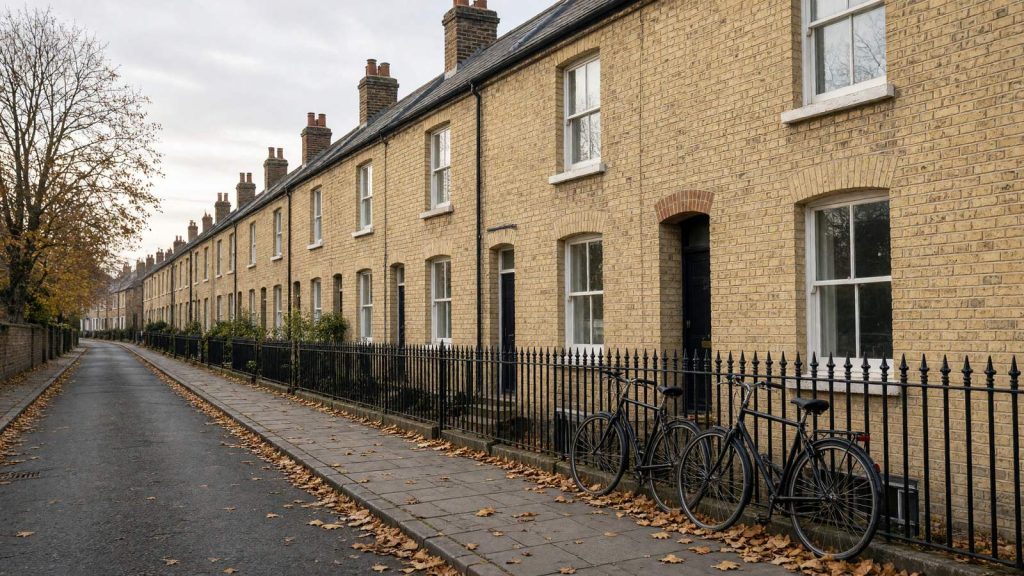
Pale gault brick Victorian terraced houses with bicycles at the railings, typical of Cambridge New-build brick and timber-clad townhouses with solar panels and young street trees, typical of a Cambridgeshire estate

The kind of job we do in St Ives

Brown marks on a shop's ceiling tiles

The property

A town centre shop with a one-bedroom flat above, reached by its own door. The flat's bathroom sits over the back of the shop.

The problem

Stains kept spreading across the shop's ceiling tiles, worst after the morning shower upstairs. The landlord's plumber had found no cause under the bath.

How we found it

Moisture readings in the shop put the damp under the bathroom. Upstairs, each fitting was tested alone; only the shower spraying the wall tiles wet the ceiling, and thermal imaging agreed.

The outcome

Worn grout and sealant where the shower hit the tiles let water behind them. The landlord had them redone, and our report gave the landlord and the shop the same evidence.
Damp hall carpet over a cold pipe in concrete

The property

A four-bedroom house on a later estate, built on concrete. The cold supply to an added downstairs shower room runs through the floor.

The problem

A patch of hall carpet stayed damp and smelled musty. The owners' insurer would not approve opening the floor without a trace and access report.

How we found it

The meter fell still once the inside stop tap was shut, placing the leak indoors. Moisture readings, then the ground microphone, led to the shower room, and tracer gas confirmed it.

The outcome

The owners sent our report and photographs to their insurer. The repair was quoted separately and made through a small opening at the mark.

How we trace a leak between floors

1

Mapping the damp below

We start in the room getting wet, mapping with a moisture meter how far the water has spread. That map usually points to one corner of the room above.

2

Testing each fitting upstairs

With access above, bath, shower, basin and toilet are run or filled one by one, with their pipes checked separately. Whichever wets the ceiling below is the source.

3

One report both sides can read

The written report shows where the leak is, with readings and photographs, so shop owner, flat owner and any insurer see the same evidence. It follows payment.

St Ives customers we work for

Shop owners with water from upstairs

A drip through the shop ceiling means the source is above, often in someone else's flat. We take readings in the shop and test the flat's fittings from upstairs.

Landlords and managing agents

At booking, tell us who owns the flat, who is paying and who holds the keys. If the payer cannot be there, you may need to settle up before we confirm.

Owners claiming on their insurance

If you need trace and access in St Ives for an insurance claim, the insurer is likely to want proof of where the water came from. Our report gives the location, methods, readings and photographs.

The methods we use in St Ives

Moisture meters

Held against a ceiling or wall, this meter reads how wet the plaster is beneath. Readings in a grid show the shape of the damp and where it came from.

Thermal imaging

Wet plaster shows cooler on a thermal camera, and a hot pipe leaking under a floor shows warmer. Either way, the image points to where to test next.

Tracer gas

For a pipe under concrete or a heating loop, a hydrogen and nitrogen mix goes in and is found where it surfaces. It confirms what the first method suggested.

Flats, shared pipes and your water supplier

Your water bill names the company supplying your St Ives property. In a building split into a shop and flats, the supply may be shared, with one meter or several, and pipes for the flat often pass through the shop. Beyond the boundary or the meter, responsibility usually rests with the building's owners.

Buildings or contents cover?

When water from a flat damages a shop below, several policies may be involved: the building's cover, the shop's contents cover and perhaps the flat owner's. Check each before booking, as some insurers ask to agree the work first. Our report shows where the water came from, though each insurer decides its own claim.

Around St Ives

Hemingford Grey and Houghton sit along the river close by, with Fenstanton, Needingworth and Wyton around the town. Huntingdon and Godmanchester lie west along the Ouse, and Warboys and Ramsey to the north.

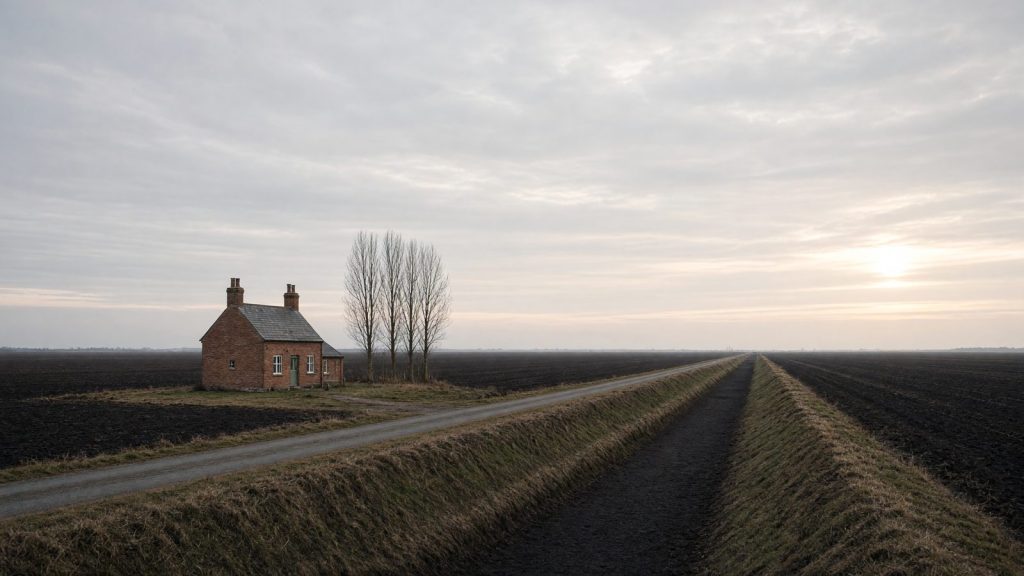
A lone brick house beside a straight drainage channel on flat black fields, typical of the Cambridgeshire fens

Common questions in St Ives

Whoever is paying: usually the owner of the flat or building, or their managing agent, though the shop owner can book too. We need access upstairs, where the leak usually starts. Tell us at booking if the property is not yours.

Loop by loop. Each circuit is closed off at the manifold, the set of valves where the loops meet, to find the one losing pressure. That loop then gets thermal imaging and tracer gas. Underfloor heating is part of the central heating, so no find, no fee on home water leaks does not apply.

We do, for supply pipes under yards, drives and gardens. A meter that moves with every tap off shows water escaping; a ground microphone then follows the pipe, and tracer gas confirms the spot. Visits are usually booked within 24 to 48 hours.

Not to find the leak. Each fitting is tested with the tiles in place, and the fault is only marked once two methods agree. Sometimes the cause is grout or sealant rather than a pipe, and then nothing comes off at all.

When the bill for the visit is settled in full, by card or bank transfer. The report covers the location, methods, readings and photographs, and opening up should begin at the spot we marked. The claim itself is always your insurer’s decision.

Water from upstairs in St Ives?

Call 07700 102 008 and tell us who owns each floor. Lines are open 8am to 8pm, every day.