

Warboys cottages and newer homes

Leak detection in Warboys for cottages and newer homes

When your insurer wants evidence before anything is opened, leak detection in Warboys starts with a careful search from the surface. Our engineer Charlie finds the leak and a second method confirms it.

Trace and access reports

Readings and photographs included

Underfloor loops tested one by one

Get a quote

Lines open 8am to 8pm, every day.

Warboys is a large village between Ramsey and St Ives. Its older core still keeps a few old brick cottages, while much of the housing around it was built later, on estates with heating pipes in solid floors and, in the newest homes, underfloor heating.

The two kinds of house leak differently. A cottage may have an old supply on an unknown route; a newer home hides its leaks in plastic pipe under screed. Either way, trace and access in Warboys depends on clear evidence before anything is opened up.

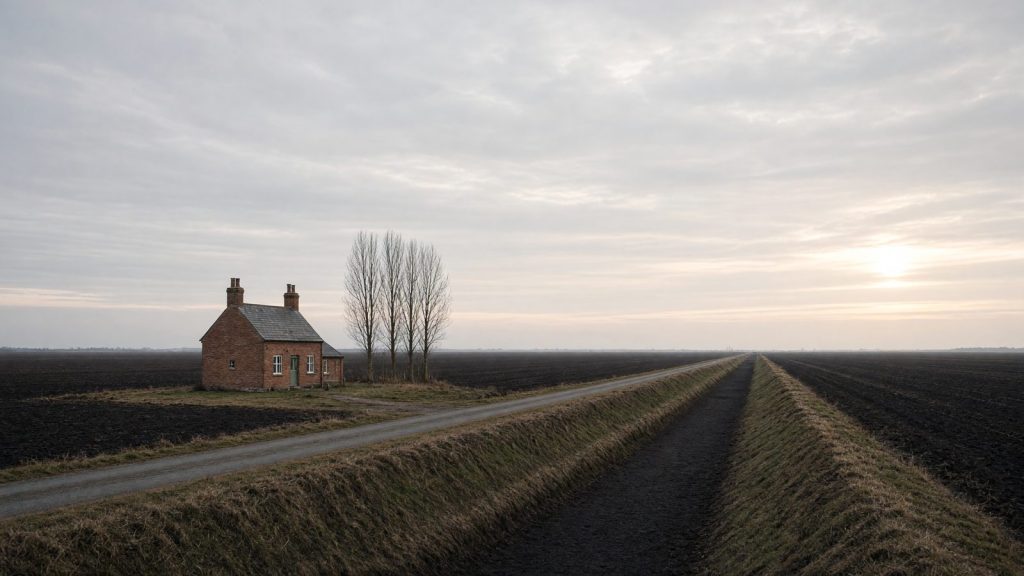
New-build brick and timber-clad townhouses with solar panels and young street trees, typical of a Cambridgeshire estate A lone brick house beside a straight drainage channel on flat black fields, typical of the Cambridgeshire fens

Typical Warboys leaks, start to finish

Kitchen ceiling stain below a cottage shower

The property

An old brick cottage in the village core, where a later bathroom sits above the kitchen, with the shower fixed over the bath.

The problem

A brown stain on the kitchen ceiling spread after every shower. The insurer, under the policy's trace and access cover, wanted the source found before any tiles came off.

How we found it

Moisture readings mapped the stain, then we tested the bath taps, waste and shower one at a time. Only the shower sent the readings higher; on the thermal camera, warmth crept behind the tiles from the hidden pipe feeding the head.

The outcome

We marked the tiles over the leak and photographed them. Once the bill was settled, the owner had our report to pass to the insurer; the repair was a separate price.
Underfloor loop losing pressure in a newer bungalow

The property

A newer bungalow on the edge of the village, with underfloor heating throughout and the manifold in a cupboard in the utility room.

The problem

Every few days the boiler pressure sagged and needed topping up, and one patch of the living room tiles felt warmer than the rest, even with that zone turned down.

How we found it

Each loop was shut off at the manifold in turn, and only the living room loop lost pressure. With that floor warm, a hot spot by the window stood out on the camera, and moisture readings in the grout agreed.

The outcome

The tile above the leak was marked and photographed. Only a handful of tiles came up for the repair, which was quoted separately.

From the insurer's question to the report

1

Check the policy first

Before booking, read your policy or ring the insurer. Some include trace and access cover and some ask to approve the work first. Knowing that now avoids a wasted visit.

2

Find and confirm

We take readings, split the system with the stop tap and valves, and search the part losing water. A second method must agree before the spot is marked.

3

Report after payment

Payment is taken when we finish, by card or bank transfer. Then the written report comes to you, with photographs of the marked spot, ready to send on.

Warboys owners we work for

Policyholders asked for evidence

Your insurer may want to know where the leak is before agreeing to any opening up. Check the policy and any approval it needs; our report then shows where we found it.

Owners of newer homes with underfloor heating

If boiler pressure keeps falling and part of the floor feels warmer, a loop may be leaking. Underfloor heating leak detection in Warboys starts at the manifold.

Owners with a lawn patch that never dries

A strip of lawn that stays soft or greener than the rest can mean the supply is leaking. External leak detection in Warboys follows that pipe from the meter.

The tests behind a Warboys report

Moisture meters

They measure how wet plaster, timber or screed is and map the damp. They cannot say which pipe caused it, so another test always backs them up.

Acoustic listening

Water must be on and under pressure for the ground microphone to hear it. It works across lawns, brick paths and concrete, and old metal pipe carries sound clearly.

Tracer gas

If a pipe is quiet or its route uncertain, a hydrogen and nitrogen mix is fed into the isolated pipe, and the detector finds where it reaches the surface.

Old supplies with no known route

Your supplier, named on your bill, is responsible up to your boundary or the meter. Beyond that the supply is usually yours, and in older cottages its route may never have been recorded. Tell us when you book, because an unknown route changes how long the search takes and its price.

When the report arrives, and what it proves

You receive the report after settling the bill for the visit. It records where we found the leak and how, with readings and photographs. Opening up should begin at the mark, although no leak is proven until it is uncovered and seen. The insurer alone decides whether to pay out.

Places around Warboys

Ramsey lies to the north and St Ives to the south, with Huntingdon and Godmanchester to the south west. Chatteris is across the fen to the north east, Sawtry to the west.

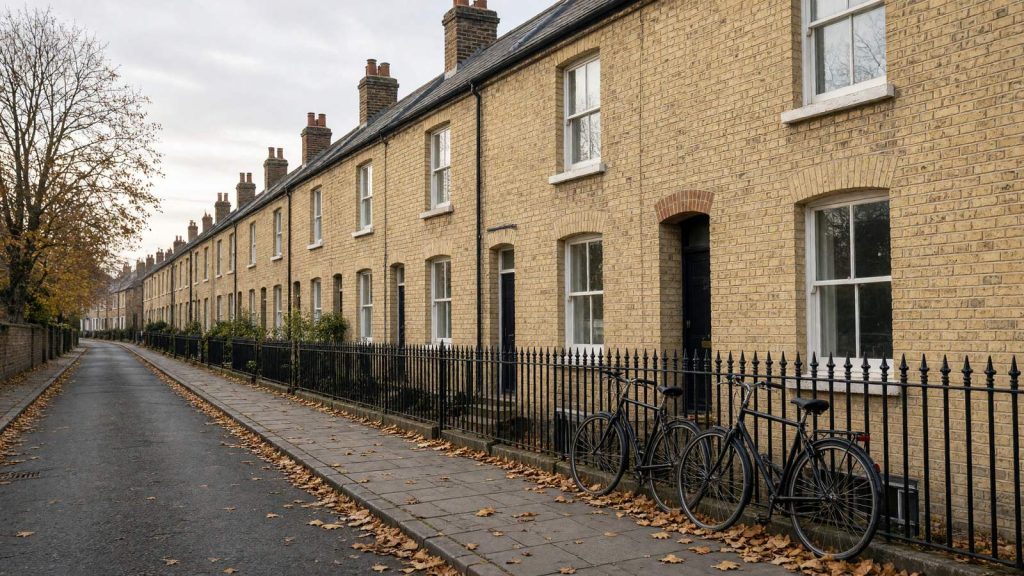
Pale gault brick Victorian terraced houses with bicycles at the railings, typical of Cambridge

Common questions in Warboys

The location, methods, readings and photographs from the visit, set out so that a claims handler can follow them. Check your policy and any approval it needs before you book us. Paying out, or not, remains entirely the insurer’s decision.

Often, yes. We start from the meter and the stop tap and listen along the likeliest line. Tell us the route is unknown when booking, because it affects the price and sits outside no find, no fee on home water leaks; full conditions are on our terms page.

No. Loops are tested at the manifold, then the camera follows the faulty one across the floor after the heating has warmed it. Only the tiles or boards over the confirmed spot are lifted for the repair, which is quoted separately.

Visits are usually booked within 24 to 48 hours, and lines are open 8am to 8pm, every day. If your insurer has set a deadline, mention it when you ring so we can try to plan the visit around it.

Usually, if the pipework can be reached. We quote the repair separately, and that price only holds if the work is done during the detection visit itself. Repairs are guaranteed for 3 months on the pipework and fittings we install.

Insurer asking for a leak report?

Call 07700 102 008, any day between 8am and 8pm, and tell us what your insurer has asked for.