

Cottenham homes, old and extended

Leak detection in Cottenham for extended homes

When a Cottenham house is extended, the old supply pipe can end up under the new floor. Our engineer Charlie traces leaks through extensions, boards and screed, and marks one place to open.

Pipes under extensions traced

Heating leaks under old boards

Price agreed before you book

Get a quote

Lines open 8am to 8pm, every day.

Cottenham grew quickly in the early nineteenth century, and older brick houses still line its long main street. Today it is a commuter village for Cambridge, and many of its homes, old and newer, have since been extended, opened up or refitted, some more than once.

Each change moves or buries pipework. A supply pipe that once crossed the back garden may now lie under a kitchen extension, and heating pipes can run under boards in one room and screed in the next. Leak detection in Cottenham often means finding the pipe before the leak.

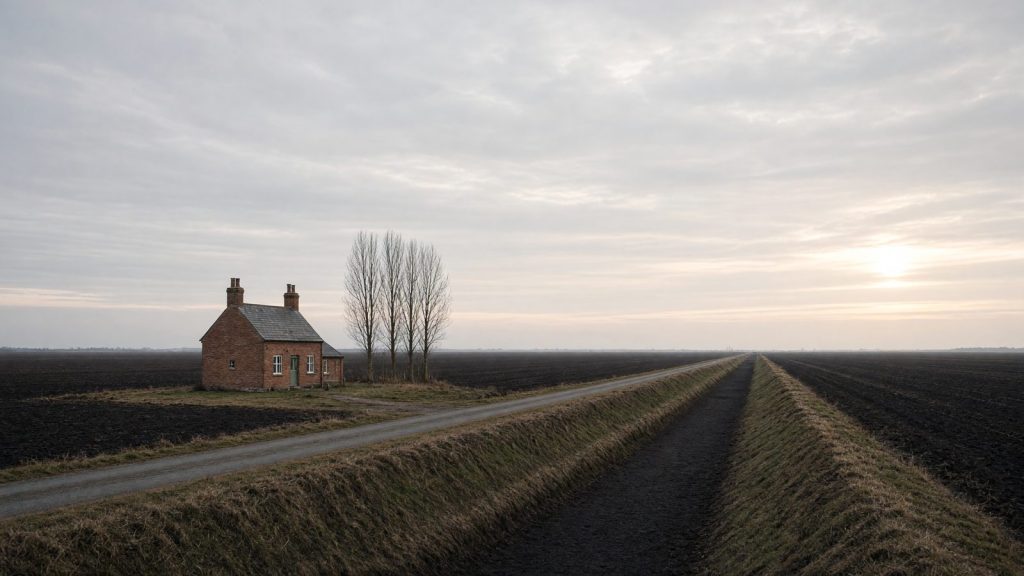
New-build brick and timber-clad townhouses with solar panels and young street trees, typical of a Cambridgeshire estate A lone brick house beside a straight drainage channel on flat black fields, typical of the Cambridgeshire fens

Typical jobs in Cottenham homes

Meter turning under a new kitchen extension

The property

A chalet bungalow with a kitchen extension on a concrete floor. The supply pipe from the front meter still follows its old route, now beneath it.

The problem

Cambridge Water wrote about constant use. The owners, out at work all day, read the meter at bedtime and breakfast, and it had moved.

How we found it

With the inside stop tap shut, water still passed, so the leak lay between it and the meter. Listening across the tiles found the loudest point; tracer gas rose there.

The outcome

Rather than break up the new floor, the owners chose to have a new pipe run around the extension. We quoted that repair separately from the detection.
Topping up the boiler in a brick village house

The property

A nineteenth century brick house in the old village, with timber floors downstairs and the heating pipework hidden beneath the boards.

The problem

The boiler needed refilling twice a week. The owners had checked every radiator and valve for drips, and no damp had appeared anywhere in the house.

How we found it

We isolated the upstairs and downstairs heating in turn, and only downstairs lost pressure. With the radiators hot, the thermal camera picked out a warm patch beneath the dining room floorboards, and tracer gas rose between them at the same spot.

The outcome

We lifted two boards at the mark and replaced the corroded joint, quoted first. Once the system was refilled, the boiler gauge held steady.

Cottenham homes we are asked to help

Owners with a pipe under the extension

The meter keeps turning and the back of the house is new. We listen through the new floor and check with tracer gas, all before anything is lifted.

Households topping up the boiler

A gauge that keeps dropping in an older brick house often points to heating pipes under the boards. Tell us how often you refill it and whether leak sealer was added.

Owners of later houses on solid floors

Many later houses have heating pipes set in concrete. A warm patch on the tiles, or pressure loss with nothing wet, is where thermal imaging starts.

Cambridge Water and the bedtime meter test

Cambridge Water supplies Cottenham, and your meter is usually in a small chamber near the boundary. Read it last thing at night and first thing in the morning, using nothing in between. If it has moved, water is escaping on your side, most often from the supply pipe, which the owner normally looks after.

How we approach a Cottenham leak

1

Tell us what has changed

When you ring, describe what the meter or the heating gauge is doing, and what has been built or refitted. An extension or new kitchen changes where we look first.

2

Testing which system leaks

At the house, the supply and the heating are each tested on their own. Only the one that keeps losing water is traced, and the other is left alone.

3

Following the real pipe route

We trace where the pipe actually runs, find the leak along it, and check that spot with a second method. The mark goes on the floor and into the photographs.

The methods behind a Cottenham trace

Acoustic listening

A ground microphone works through tiles, laminate and concrete as well as soil. In an extension, it is moved across the floor until escaping water sounds loudest.

Pressure testing

A section of heating or supply pipe is closed off and pumped to a set pressure. If its gauge falls, that section leaks, which narrows a whole house to one run.

Thermal imaging

With the heating warm, a leak under boards or screed spreads heat outwards in a patch, not a neat line. The camera shows where that patch is warmest.

Before you claim, check the policy

If you plan to claim, read the policy or ring the insurer before booking, as some ask to approve the work first. The cover for finding and reaching a hidden leak is usually called trace and access. Our report, sent after full payment, sets down the location, methods, readings and photographs.

Common questions in Cottenham

Usually, yes. The search is done from the surface: listening through the floor, then tracer gas, narrows it to one marked spot. Then you choose: open up there, or have a new pipe run around the extension. Either repair is quoted separately before work starts.

Note the reading at bedtime, use no water overnight and read it again in the morning, checking first that no toilet is running. If the number has gone up, water is leaving the pipes, and our own tests will show where to start.

It does, so mention it when you book. Sealer can plug a small hole for a while before the loss returns, and it can stop some tests giving a clear result. Knowing about it lets us plan the visit around it.

No. No find, no fee on home water leaks does not cover central heating. The price for a heating visit is agreed beforehand and covers half a day or a full day of searching. It stays the same even if we find the leak quickly.

We do, as part of our leak detection in Cambridgeshire. If your house there has been extended or refitted, say so when you ring, because it changes where the pipes run. Visits are usually booked within 24 to 48 hours, and our lines are open 8am to 8pm, every day.

Villages near Cottenham

Rampton and Willingham sit further along the fen edge, with Histon and Impington between Cottenham and Cambridge. Landbeach and Waterbeach lie to the east, and St Ives and Cambourne are covered too.

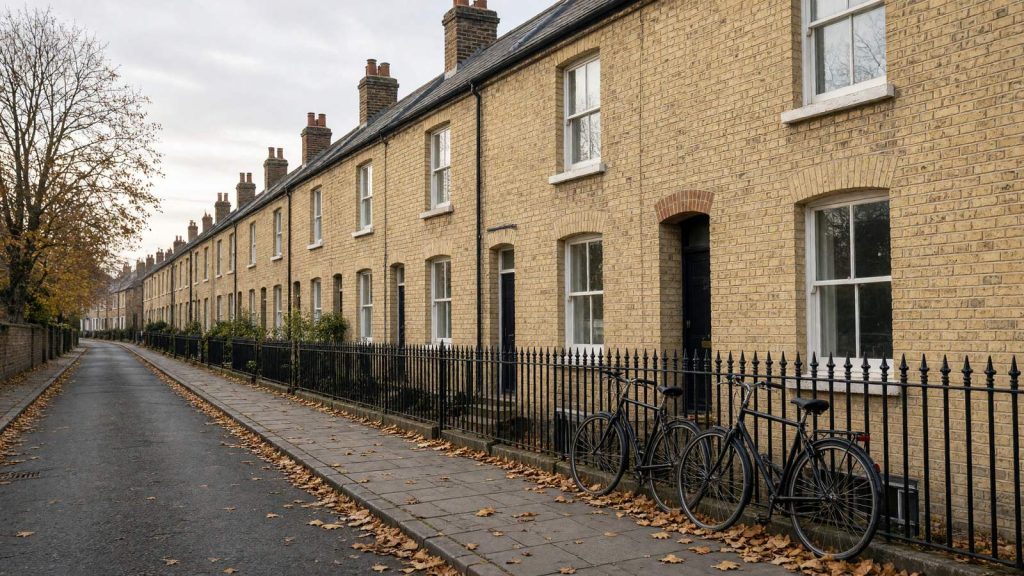
Pale gault brick Victorian terraced houses with bicycles at the railings, typical of Cambridge

Leak under a Cottenham extension?

Call 07700 102 008. We can usually book a visit within 24 to 48 hours.