
Home / Services / Bathroom and shower leaks

Bathrooms, showers and flats

Shower leak detection, one part of the bathroom at a time

When water keeps coming through the ceiling under a bathroom, more silicone rarely solves it. We find which part is leaking, from the supply pipes to the tray seal, and the tiles stay on while we test.

Each part tested in turn

Readings taken above and below

Report for both households

Get a quote

Lines open 8am to 8pm, every day.

You may already have had the silicone redone, a few tiles prised off and the ceiling below repainted, only for the brown mark to creep back. Every guess in a bathroom means opening something up, so we test each part with readings first, and any opening up starts only where they point.

Flats add a second layer. Often the leak is in one home and the damage in another, with two households, perhaps a managing agent and two insurers wanting answers. Testing in the flat above needs your neighbour's agreement, so speak to them before you book.

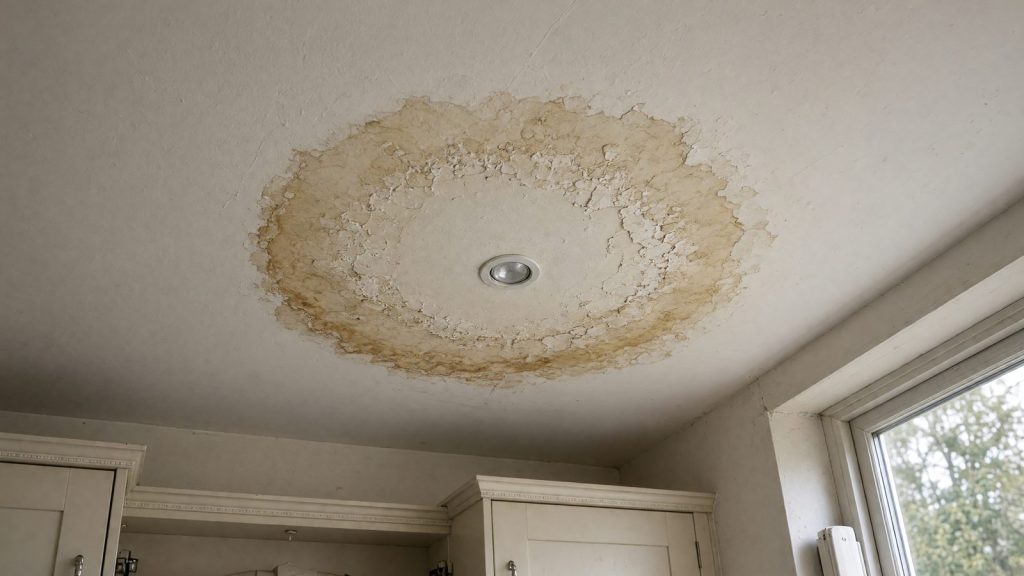
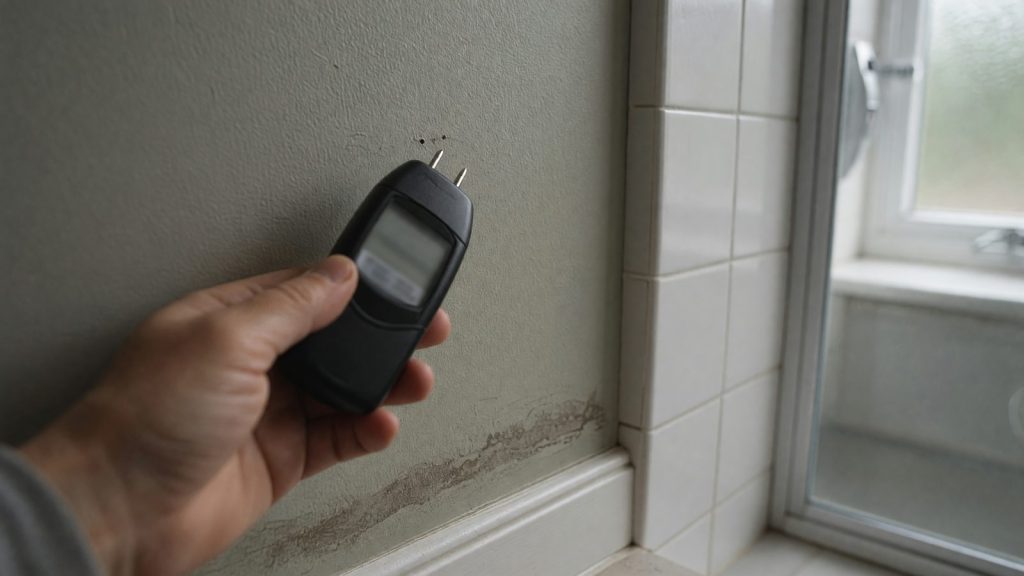
A spreading brown water stain on a kitchen ceiling around a spotlight, below a bathroom A moisture meter held to a bathroom wall beside a tiled shower, with a damp mark above the skirting

Two kinds of bathroom leak

Shower leak detection is mostly a process of elimination. A bathroom has two kinds of leak: pipes that hold water under pressure all the time, like the supply pipes and the shower valve, and parts that only carry water in use, like the waste, tray seal, grout and silicone. A leaking shower pipe behaves differently from a leaking shower waste, and our tests are built around that.

The mark on the ceiling is often some way from the leak. Water runs along joists, pipes and the underside of floorboards before it drops, so a stain by the light fitting can begin at a shower across the room. Cutting into the ceiling at the stain can find nothing, which is why we follow the water back with readings instead.

Typical bathroom leaks we trace

En suite stain that grew only after showers

The property

A 1990s detached house near Stowmarket with an en suite above the stairwell: a low acrylic shower tray, a glass screen and tiled walls.

The problem

A brown patch spread across the stairwell ceiling after morning showers and dried by evening. The silicone round the tray had been redone twice, with no change.

How we found it

Moisture readings mapped the patch. The supply pipes held under pressure and water poured into the waste changed nothing, but wetting the tray edge made the readings climb, and thermal imaging showed the same.

The outcome

One corner of the tray flexed when stood on, opening the seal. The marked corner and photographs gave the owners' plumber a clear place to start refitting it.

Drips into a Peterborough flat from the bathroom above

The property

A ground floor flat in a 1960s low-rise block in Peterborough with concrete floors. Upstairs, the kitchen and bathroom sit side by side over its hallway.

The problem

The hallway ceiling dripped now and then, never for long. The upstairs owner's plumber had checked the kitchen and found nothing, and the managing agent wanted the cause settled.

How we found it

Readings below peaked under the wall between the two rooms upstairs. There, the pipes held a pressure test and the sink changed nothing, but water down the shower waste raised the readings, and the thermal camera agreed.

The outcome

A loose joint on the shower waste was marked and photographed. The upstairs owner, who had booked the visit, passed the report to the flat below and the agent.

Wet room damp spreading into a Norfolk bedroom

The property

A bungalow near Cromer with a solid floor, where the old bathroom became a wet room with a tiled floor sloping to an outlet in one corner.

The problem

The bedroom carpet felt damp along the shared wall and the skirting had begun to swell. With nothing dripping, the owners feared a pipe under the floor.

How we found it

A moisture meter traced the damp to the wet room wall. With the supply pipes holding pressure, water run across the floor raised the readings, and thermal imaging showed it tracking along one edge.

The outcome

The cause was the seal where the sloping floor met the wall. The owners briefed a tiler with the photographs and readings, and no pipework was opened.

Signs that point to the bathroom

A ceiling mark that grows after use

If the stain darkens after showers or baths and fades in between, the water is coming from something that only gets wet when the room is in use.

A shower tray that flexes underfoot

A tray that flexes when stood on keeps breaking the seal around its edge, a common reason for a leaking shower tray. Each shower then sends water behind it.

Swelling skirting or damp in the next room

Water from a bathroom floor can creep sideways, so a swollen skirting, a damp carpet edge or flaking paint next door may be the first sign.

Tiles that sound hollow or feel loose

Crumbling grout or rocking tiles suggest water has been getting behind them for some time. They may be the cause, or the result of a leak elsewhere.

How we test a bathroom without stripping it

1

Map the damp below

Moisture readings come first, taken across the stain and around its edges in the room or flat beneath. They show where water lands before anything upstairs is run.

2

Test one part at a time

Supply pipes, valve, waste, tray seal and tiled walls each get their own test while the readings below are watched. Whichever test makes those readings climb gives away the leaking part.

3

Mark it and write it up

Once a second method agrees, Charlie marks the leak and photographs it. The report gives the location, methods, readings and photographs, so everyone works from one set of facts.

Tools that keep the tiles on

Moisture meters

A reading on plaster, timber or screed gives a number for its dampness. Taken across a grid, readings show the shape of the damp; repeats show if a test makes it worse.

Thermal imaging

Damp plaster shows up cooler than the dry plaster around it, and a hot water leak shows warmer. The camera picks out damp spreading below while each part is tested.

Pressure testing

With the taps shut, the hot and cold pipes to the bathroom are held at pressure. If the gauge holds, those pipes are cleared and attention moves to the waste and seals.

Who calls us about bathroom leaks

Owners with a stain under the bathroom

Below an en suite or main bathroom, the mark comes back after every repaint. We find which part is feeding it before anyone touches a tile.

People in a flat below a leak

Water is coming through from upstairs and the neighbour's plumber found nothing. Readings in your ceiling show where it arrives; testing upstairs, with their agreement, shows where it starts.

Landlords and managing agents

A tenant reports a drip, and you need to arrange access to a home you rent out. Say so at booking, and who pays, since we may take payment up front.

Before you claim for a bathroom leak

If you mean to claim, see what your policy says about trace and access, or ring the insurer, because some ask to approve the work. Opening up should start at our mark, though only uncovering the pipe or seal proves the leak. Any repair is priced separately, so detection and repair show as two clear costs.

Bathroom leaks in your area

We carry out bathroom leak detection in houses, bungalows, flats and rented homes, from conversions above shops to en suites on new estates. Choose your county below to see the towns we reach.

Common questions

The leak is in a part that stays dry the rest of the time: the tray seal, screen, grout and silicone, the waste, or the short pipe to the shower head. A leaking supply pipe would keep the patch damp whether or not anyone showers.

We test before anything is opened. Each part is checked on its own while readings are taken below, so we know which one leaks before a tile comes off. Water also travels before it shows, so the obvious place to look is often the wrong one.

Whoever is paying books the visit: you, your neighbour or a managing agent. Tell us when you book if the flat is not yours or someone else is paying. Testing usually needs both flats, so agree a time with your neighbour first.

We can usually repair a leaking pipe or a loose waste joint, quoted separately; if we price it beforehand, that price stands only for a repair done on the visit. Tiling, sealing or refitting a tray may need another trade, and the report shows them where to start.

Usually without taking the panel off. Readings below and thermal imaging show whether the water comes from the bath, and testing the waste and taps in turn shows which part. The panel only comes off to reach the marked joint for the repair.

It gives both sides the same evidence: the location, the methods, the readings and the photographs. With damage in two homes, each household may have to go to its own insurer, which makes its own decision. Check whether yours expects to approve the work first.

Water through the ceiling below?

Call 07700 102 008 and tell us when the mark gets worse: after showers, after baths or all the time. Lines are open 8am to 8pm, every day.