
Ware homes and insurance claims

Leak detection in Ware for homes with an insurance claim

When an insurer asks where a leak is, or whether there is one at all, guesswork will not do. For leak detection in Ware, we test from the surface and put every result in writing.

Tracer gas for quiet pipes

Reports for trace and access

Tests that rule a leak out

Get a quote

Lines open 8am to 8pm, every day.

Ware grew as a malting town on the River Lea, its older streets mixing timber-framed houses with later brick terraces. Newer homes fill the edges of town. Water leaks in Ware can turn up anywhere from an old path to the floor of a modern kitchen.

For a trace and access claim in Ware, an insurer will usually want the leak's location and the tests that found it, and sometimes proof that no pipe is leaking. Our written report covers both, so ask your insurer what it needs before you book.

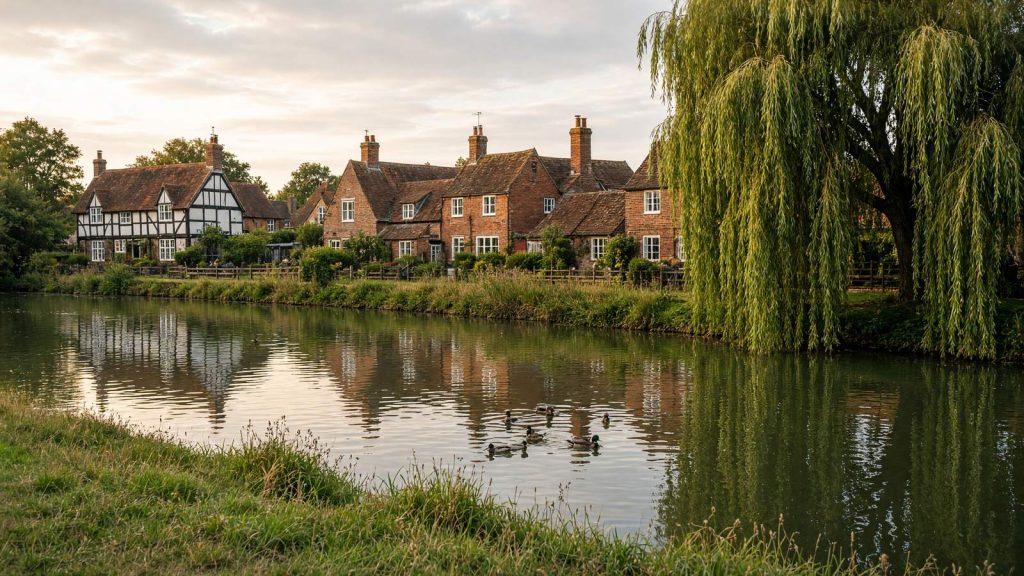
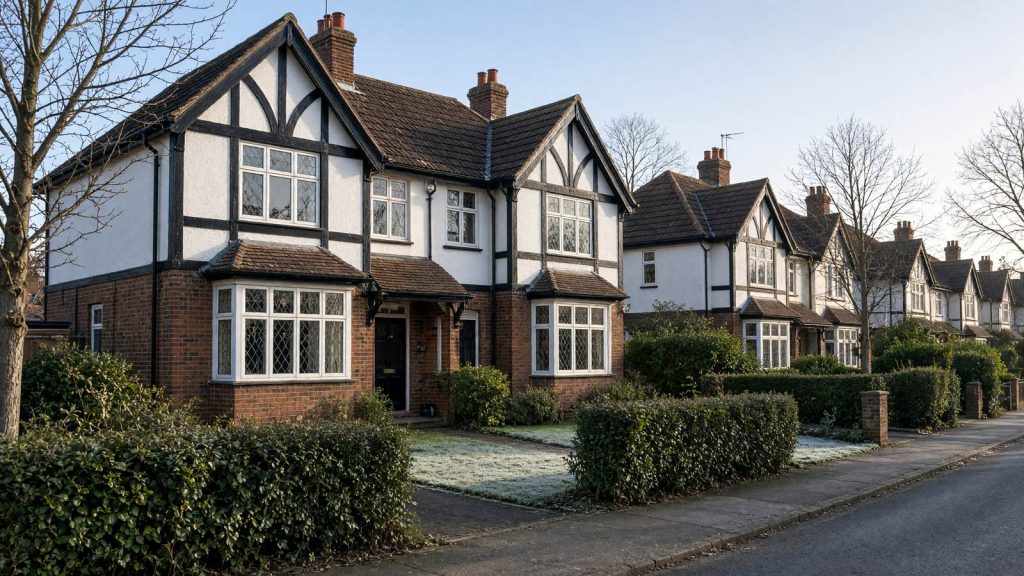
Timber-framed and brick cottages beside a village pond with a willow tree, typical of a Hertfordshire village 1930s mock Tudor semi-detached houses with hedged front gardens on a frosty morning, typical of a Hertfordshire commuter town

Typical leaks we trace in Ware

Leak before the stop tap, under the kitchen

The property

A later twentieth-century house in Ware on a concrete floor. The supply pipe enters beneath it and rises to a stop tap under the sink.

The problem

Affinity Water's letter mentioned a constant flow. The owners assumed the leak was out in the front garden, and their insurer wanted it located before any digging.

How we found it

With the stop tap shut the dial still crept, so the leak sat before it. The hiss was loudest on the kitchen floor, and tracer gas rose through a tile joint by the sink.

The outcome

The garden was left alone; a small square of kitchen floor came up at the mark instead. Our report accompanied the claim, with the repair costed on its own.
Tests that ruled a leak out for an insurer

The property

A post-war semi in Ware whose cloakroom has the cold supply and a heating pipe boxed in along the outside wall.

The problem

Damp kept returning on the cloakroom wall. The owner's insurer wanted to know whether a hidden pipe was leaking before looking at the claim.

How we found it

With everything off the meter stood still, and supply, hot water and heating all held pressure. Thermal images showed the cold pipe far cooler than the wall, with damp gathered round it.

The outcome

Nothing was leaking when we tested; the readings pointed to condensation on the cold pipe. Each test went into the report for the insurer.

Who needs us in Ware

People whose insurer wants proof

Your policy has trace and access cover, yet the claim stalls until someone pins the leak down. Ask the insurer what it needs; we put that in writing.

Landlords with a tenant reporting damp

Your tenant mentions damp or forwards a letter, and your buildings insurer wants the cause. Give us the tenant's number, say who is paying, and the report can come straight to you.

Households with damp but no obvious leak

A patch stays damp, yet nothing seems to drip. Tests on the supply, hot water and heating show whether a pipe is to blame, and the report says so.

Affinity Water and the pipe under your floor

Affinity Water supplies Ware. A letter from it generally means the meter is never at rest. Its responsibility normally ends at the boundary or meter. Yours runs on into the house and up to the stop tap, so a leak under your own floor, before that tap, is still the owner's to find.

From the insurer's question to our report

1

Ask your insurer first

Before booking, read the policy for trace and access cover and ask whether the insurer must agree to us doing the work. Then ring with its requests.

2

Test every system

Supply, hot water and heating are each tested alone. Any that fails is traced by sound, heat or tracer gas until a second method agrees.

3

Report once the bill is paid

Your written report goes out once payment for the visit is through. It shows the insurer what we tested, what we found and, for a leak, where to open up.

Tracer gas and two other tests

Tracer gas

Tracer leak detection in Ware suits pipes too quiet to hear or under a solid floor. We feed in a hydrogen and nitrogen mix, which escapes at the split and registers on our detector above.

Pressure testing

We seal one pipe off and watch its gauge. A falling reading proves a leak; steady readings on every system help show an insurer there is none.

Thermal imaging

Warm and cold pipes both show on the camera. A leak spreads warmth or chill into the floor or wall around it, which helps tell it apart from other damp.

Towns and villages near Ware

We also cover Hertford, Hoddesdon and Broxbourne, which share the Lea valley with Ware, and Harlow over the Essex border. Further west, Oaklands and Welwyn Garden City are covered too.

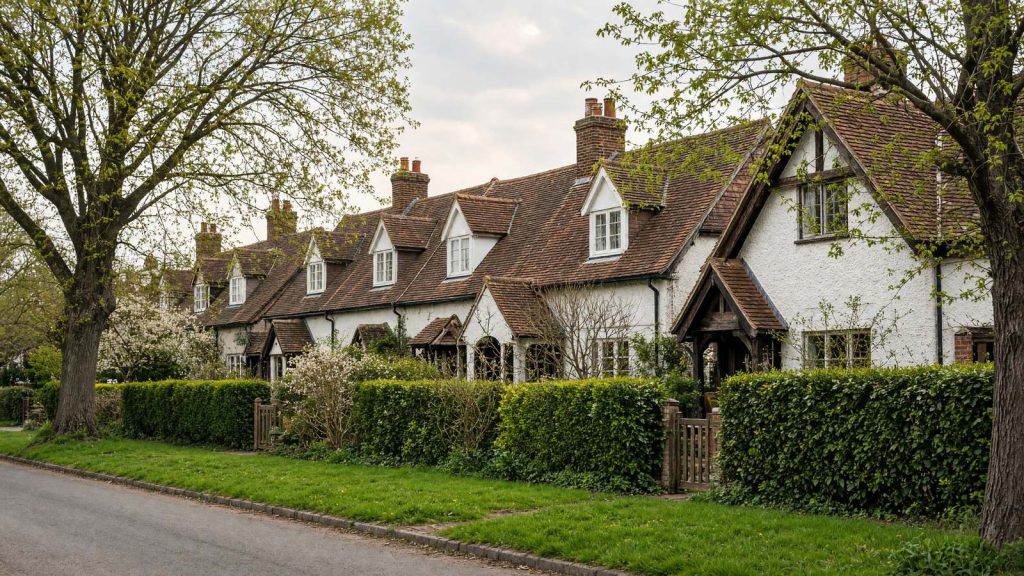
White rendered Arts and Crafts cottages behind hedges and wide grass verges, typical of a Hertfordshire garden city

When an insurer asks you to rule a leak out

Sometimes an insurer wants to know whether a hidden pipe is leaking before it looks at a claim. We test the supply, hot water and heating, and record each result in the report. A clean result, with no leak at the time of testing, is still charged at the price agreed beforehand.

Common questions in Ware

A hydrogen and nitrogen mix, fed into the pipe under test. Wherever the pipe is split, the gas gets out and works up through floor or ground until our detector catches it. We choose it for silent leaks and plastic pipe.

That depends entirely on your policy. Some include trace and access, which can cover finding a hidden leak. Check with the insurer before booking, as it may want to approve the work first; paying out is its call, never ours.

Not always. It means the leak is somewhere between the meter and that stop tap, and the pipe often runs under part of the house before reaching it. Listening indoors as well as out shows which, before anyone digs the garden.

It does. In a timber-framed house, moisture readings and pressure tests usually come first, because water can run along old timber before it shows. On newer estates, pipes often sit in concrete floors, so tracer gas and thermal imaging take the lead there.

After payment for the visit has cleared. Card or bank transfer at the end of the visit both work, and the report follows with the location, methods, readings and photographs. If a letting agent or insurer also needs a copy, mention it when booking.

Insurer asking for a report in Ware?

Call 07700 102 008 with your policy details to hand. Visits are usually booked within 24 to 48 hours.