
North Hertfordshire market town

Leak detection in Hitchin for renovated homes

New floor, new kitchen or new bathroom, and now the boiler keeps losing pressure or a stain has appeared. Our engineer Charlie traces leaks that start after building work, without lifting the new finish.

Leaks after building work traced

Report with readings and photographs

Price agreed before you book

Get a quote

Lines open 8am to 8pm, every day.

Around its market place and St Mary's church, Hitchin grew up in the valley of the River Hiz, and trains still link it to London and Cambridge. When older houses here change hands, new owners often start with the floors, the kitchen or a bathroom.

Building work is when hidden pipes get disturbed. A fixing through a heating pipe, a push-fit joint not pushed home, a waste moved slightly: each can leak quietly for weeks. The job then is to find that leak without undoing all the work around it.

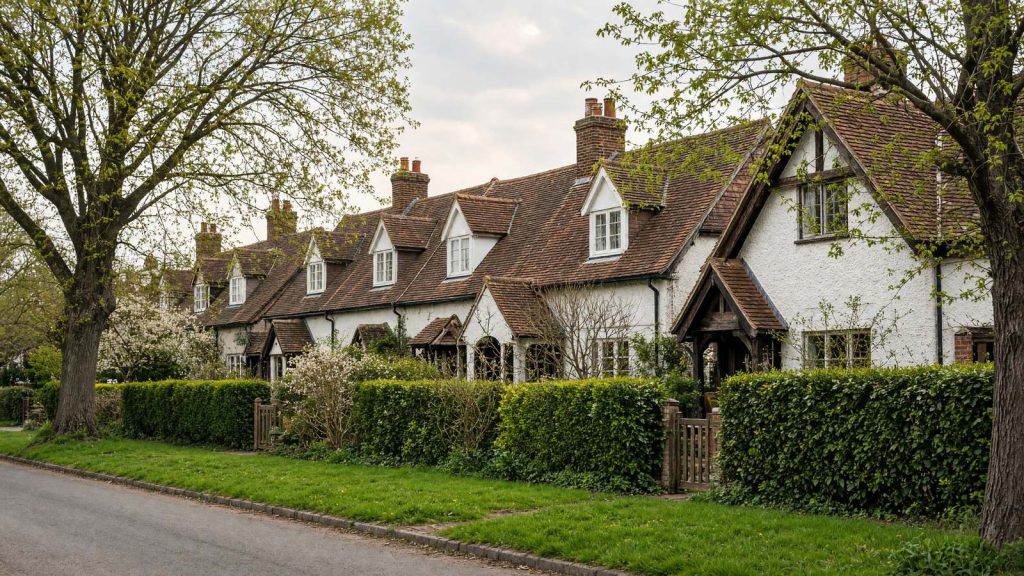
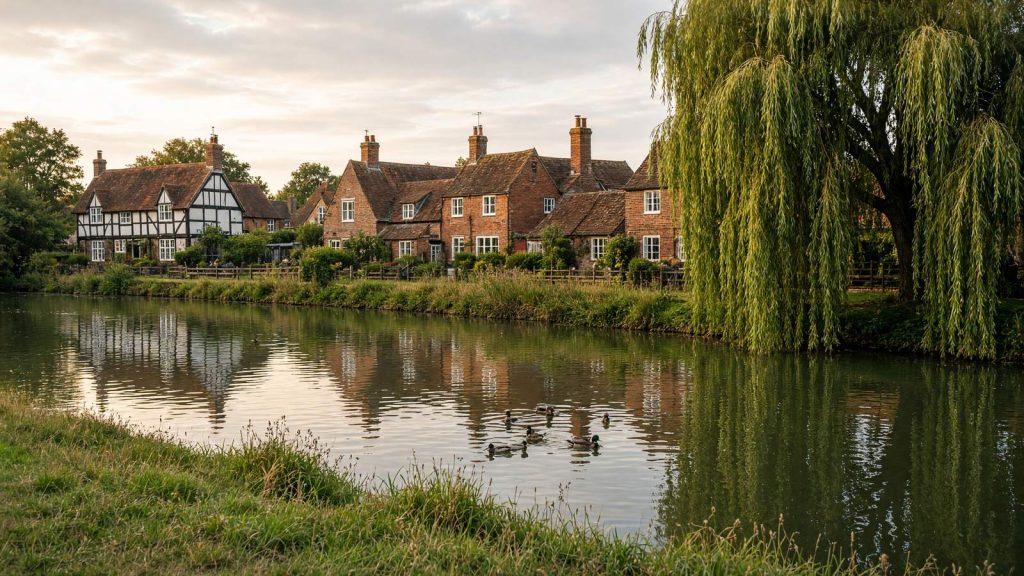
White rendered Arts and Crafts cottages behind hedges and wide grass verges, typical of a Hertfordshire garden city Timber-framed and brick cottages beside a village pond with a willow tree, typical of a Hertfordshire village

Leaks we are typically called to in Hitchin

Stain under a new bathroom, not from the shower

The property

A 1930s semi whose refitted bathroom has new floor tiles and a towel rail run off the central heating, its pipes under the tiles above the dining room.

The problem

A brown mark spread on the dining room ceiling soon after the refit, and the boiler began needing a top-up. The fitter had already resealed the shower twice.

How we found it

Moisture readings below centred under the towel rail, not the shower, and running each fitting changed nothing. Closed off, the heating lost pressure, and tracer gas fed into it rose through the grout by the rail.

The outcome

We marked two tiles and photographed them. Lifting them exposed the rail's leaking joint, repaired before we left and quoted separately. The shower seal was fine.
Damp chimney breast and an insurer asking questions

The property

A Victorian terrace close to the market place. When the bathroom moved upstairs, its hot pipe was buried in the plaster of the sitting room chimney breast.

The problem

A damp patch grew on the chimney breast, and the insurer would not agree to plaster coming off until the source was pinned down.

How we found it

With the hot water shut off at the boiler, the meter stopped: a hot pipe was leaking. Moisture readings climbed the wall, and with a hot tap running, a thermal image showed the pipe ending in a warm bloom.

The outcome

We marked the plaster and photographed it with the readings. The report went with the claim, and the plaster was opened only where we had marked it.

Finding a leak without undoing the work

1

Tell us what was done

Which rooms were worked on, what went down on the floor, and whether pipes were moved. A leak that starts after building work is often close to it.

2

Test the system in pieces

We close off heating circuits, hot and cold pipes or single fittings and watch the gauge or meter. The piece that loses water is the only one we trace.

3

Mark it on the new finish

Once two methods agree, we put a mark on the new floor or wall and photograph it, so the opening for the repair starts right there.

Hitchin homeowners we hear from

Owners topping up after a refit

The boiler was fine until the new floor or kitchen went in. Tell us what work was done and where; it usually shows which pipes to test first.

Anyone with a stain under a new bathroom

A refitted bathroom should not mark the ceiling below. We run each fitting on its own while watching moisture readings, so new tiles come off only where the leak is.

Owners whose insurer wants evidence

Your claims handler may not agree to opening a new floor on a guess. Our written report gives the location, methods, readings and photographs for them to work from.

Methods for floors you want to keep

Thermal imaging

Heat travels through boards, plaster and new finishes. Run the heating or a hot tap and the camera traces each pipe, then the patch where escaping water has spread.

Pressure testing

A closed-off section that cannot hold pressure is leaking, and one that holds is not. It tells us whether to look where the work was done or somewhere else.

Moisture meters

Readings around a stain or along a wall show where water gathers and how it spreads. Taken before and after a fitting is used, they reveal what feeds the damp.

Check the meter once the builders leave

Affinity Water supplies Hitchin, and its pipe usually stops at your boundary or meter, so the supply from there and everything inside is yours. Once the builders have gone, turn off every tap, toilet and machine, note the meter, and look again half an hour later. Movement means water is escaping.

Your insurer, your report and the new floor

Call your insurer before booking. Some want to approve the work first, and some ask for evidence before a new floor or wall is opened. Our written report gives the location, methods, readings and photographs, and you receive it after paying for the visit. Opening up should start at our mark.

Hitchin's neighbours

Ickleford sits on the northern edge of Hitchin, with St Ippolyts, Gosmore and Charlton to the south. Letchworth Garden City, Stevenage and Baldock are close, and Arlesey, Stotfold and Henlow lie over the Bedfordshire border.

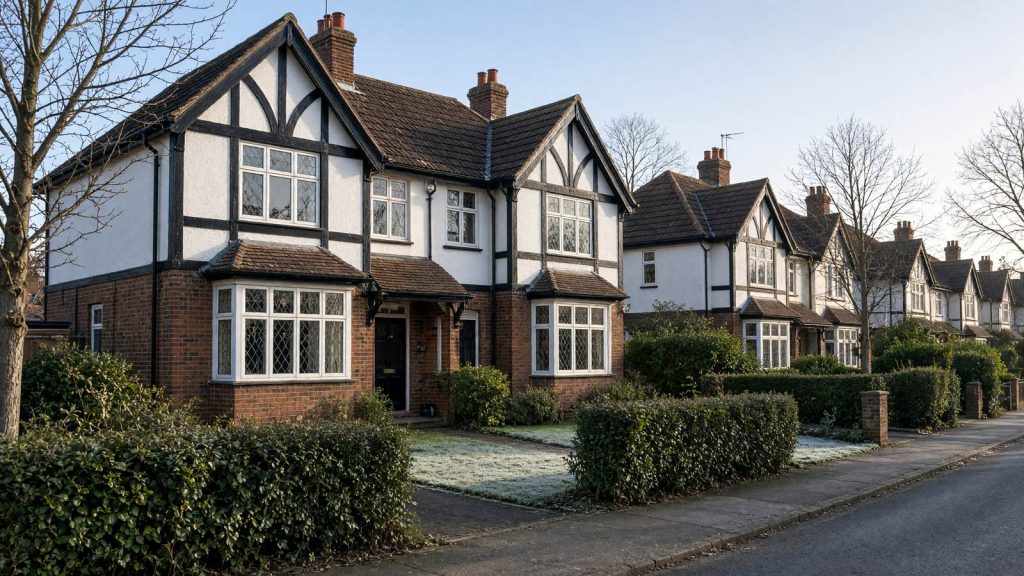
1930s mock Tudor semi-detached houses with hedged front gardens on a frosty morning, typical of a Hertfordshire commuter town

Common questions in Hitchin

Usually the work itself narrows the search. Tell us what was done and where, and we test those pipes first, then trace the leak from the surface. The report sticks to facts: the spot, the tests and the readings, not who caused it.

Not to look for the leak. We trace it through the finish and mark one spot. The repair needs an opening there, which we quote for separately, and with boards or tiles that can often be kept to a small area.

It does, and suspended timber floors are often easier to survey than solid ones. Warm pipes show through boards, and sound carries along them. Tell us if anything has been laid on top, such as engineered wood or tiles over ply.

Card details secure the booking. When the work is finished you settle by card or bank transfer; we take neither cash nor cheques. A business may need to pay before its booking is confirmed. The report follows once payment has gone through.

It does not: no find, no fee on home water leaks excludes central heating. Heating jobs are booked as half-day or full-day visits at a price agreed in advance, and we do not lower it when the leak turns up early.

Leak since the work was done?

Call 07700 102 008 and say what work was done. Lines are open 8am to 8pm, every day.