
Holt's Georgian centre and villages

Leak detection in Holt for Georgian homes and shops

Old boards, flagstones and lath and plaster ceilings make guesswork costly in Holt. We trace hidden leaks from the surface, check each with a second method, and mark where opening up should start.

Old supply pipes tested

Shops and cafes covered too

Spot marked and photographed

Get a quote

Lines open 8am to 8pm, every day.

A fire destroyed much of old Holt, and the town that replaced it is largely Georgian: brick and flint fronts, shops with rooms above, and yards behind. That history shapes leak detection in Holt, because the finishes inside these buildings are often worth more than the pipe that leaks.

Many of those buildings have been altered several times, so an old supply pipe may run under a stone hall or a shop floor before reaching the stop tap. Around the town, High Kelling and the villages towards the coast add later homes and holiday cottages.

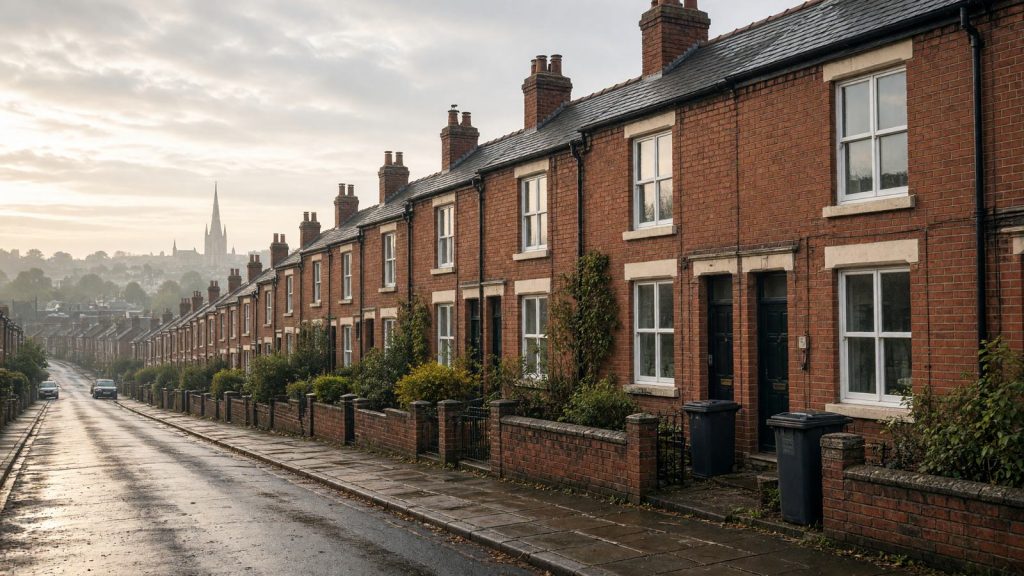
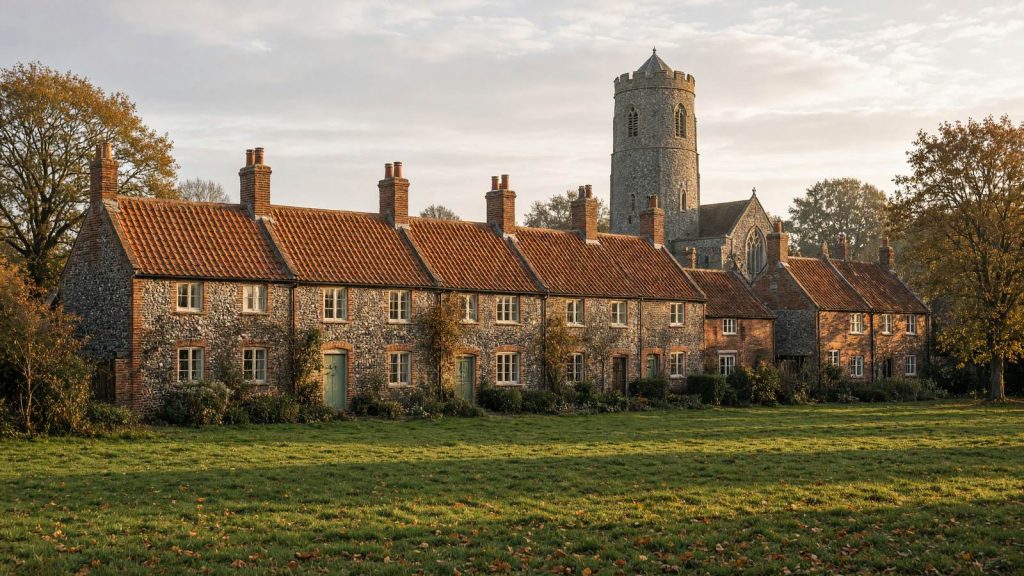
Victorian red brick terraced houses on a sloping street, typical of Norwich Flint and red brick cottages with pantile roofs facing a village green, with a round-towered church behind, typical of a Norfolk village

Typical leaks we trace in Holt's older buildings

Old supply under a Georgian flagstone hall

The property

A Georgian town house built right onto the pavement. From a meter outside the front door, an old metal supply pipe crosses beneath a stone-flagged hall to the kitchen.

The problem

Anglian Water wrote about constant use, and the kitchen tap had lost some force. The owner dreaded lifting flags that had never been disturbed.

How we found it

Shutting the kitchen stop tap left the meter turning, which placed the leak beneath the flagged hall. Old metal carries sound: the microphone peaked over one flag, and tracer gas rose through its joints.

The outcome

The flag over the mark was lifted and kept for relaying. We replaced the failed length on the visit, priced on its own.
Gas pipe under a cafe floor, made safe first

The property

A cafe in one of Holt's older buildings, its gas pipe running beneath the floor to the kitchen, then on up to the rooms above.

The problem

Staff smelt gas and rang the gas emergency service first. When the gas had been made safe, the cafe's own gas engineer wanted the leak pinned down before lifting any floor.

How we found it

A pressure test on the isolated pipework showed it was losing. We filled it with a hydrogen and nitrogen mix and followed the line until the detector peaked near the counter.

The outcome

Our mark and photographs went to the gas engineer, who made the repair. As a business, the cafe had paid before the visit.

Holt owners and businesses we help

Owners of Georgian houses on old pipes

A constant-use letter, in a house with a stone-flagged hall, raises the fear of lifting the lot. We prove which length leaks, then mark the spot to lift.

Shops and cafes with rooms above

A leak upstairs can show in the shop below, or a gas smell can shut the kitchen. Businesses agree the price first, and a firm may be asked for payment up front.

Owners claiming for a period interior

When a cornice or old ceiling is at stake, your insurer will want evidence before opening up. Our report gives it the location, methods, readings and photographs.

Old supply pipes and shared feeds in the centre

Anglian Water supplies Holt and its villages. Once water passes your boundary or meter, the pipe carrying it is usually the owner's concern. In the old centre some supplies are metal and decades old, and a shop and the rooms above may share one feed. If you think yours do, tell us when you book.

Readings, then a narrower search, then proof

1

Readings before anything else

Meter, pressure and moisture readings come first. With every outlet off and the stop tap shut, they show whether the leak is in the supply, the heating or one room.

2

Narrowing it to one length

Valves are closed in turn, or one part of a room is wetted at a time, until a single length of pipe or one fitting carries the fault.

3

Confirm, mark, photograph

Our engineer Charlie checks the point with a different method, then marks and photographs it, so any opening in an old floor or ceiling stays as small as possible.

Methods that spare old floors and ceilings

Thermal imaging

Once the heating or hot water has run, the camera sees warm pipes through boards, plaster and tiles, while damp shows as a cooler patch. Nothing has to be moved.

Moisture meters

A pad or pins on the surface read how wet plaster, boards or stone are. Mapping readings across a stain shows where the water is arriving.

Acoustic listening

On a flagstone or shop floor, the ground microphone listens for water forced out under pressure; old metal pipe carries that sound well, so its loudest point stands out.

Around Holt

Letheringsett, High Kelling and Edgefield are close by, with Blakeney, Cley and Weybourne on the coast. We also cover Sheringham and Cromer to the east, and Fakenham to the south west.

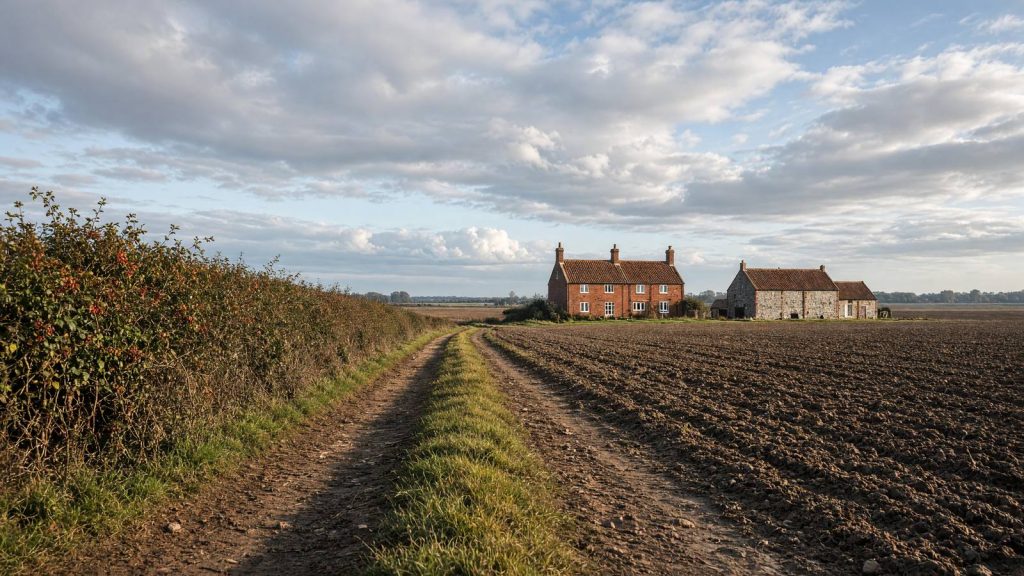
A farm track leading across ploughed fields to a red brick farmhouse under a wide sky, typical of rural Norfolk

Ask the insurer before anything old is opened

For a period building, ring your insurer before booking and before any floor or ceiling comes up, as some want to approve the work or see evidence first. Our report gives the location, methods, readings and photographs, with the marked spot where opening should begin. It follows payment; only the insurer can decide the claim.

Common questions in Holt

Yes. The testing itself is non-invasive: we work from the surface with a camera, meters, a microphone and tracer gas. Any opening up afterwards is for you and your builder to arrange, including any permissions that a listed building needs.

Not first. If you can smell gas, ring the gas emergency service first. Once the gas emergency service has made it safe, we can find where the pipework is leaking, so your own gas engineer knows exactly where to open up.

No, not for the search. A moisture meter maps the stain, and whatever sits above it is tested part by part, so any opening can be limited to the spot where the leak is confirmed, usually a small area right under the fault.

We do, from Weybourne round to Blakeney and inland to Edgefield. Holiday cottages there often stand empty, and a key holder can let us in if the meter, stop tap and boiler are reachable. Lines are open 8am to 8pm, every day.

We release it once the bill is fully paid, which you do by bank transfer or card at the end. It records the leak’s position, the methods, readings and photographs, ready to pass to your insurer, the water company or your builder.

Hidden leak in a Holt building?

Call 07700 102 008 and tell us what you have noticed. Visits are usually booked within 24 to 48 hours.